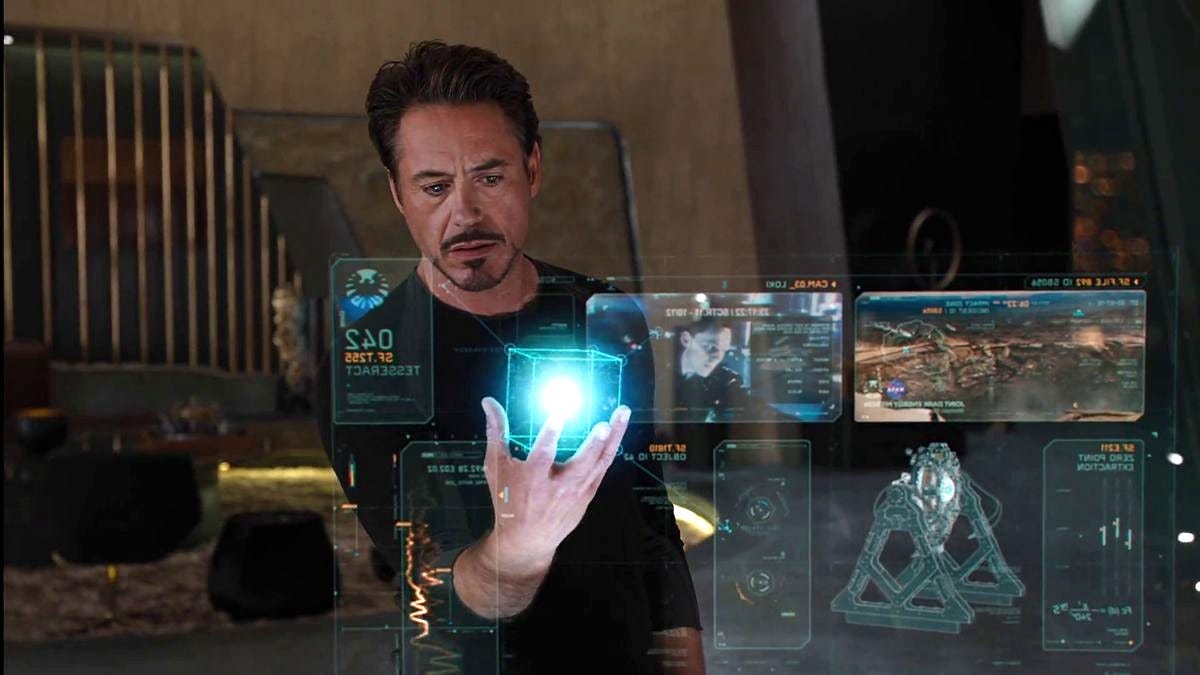
Real-Time Generative VR via AI Orchestration Layers
How VibeVR’s Hologram Desk uses AI orchestration to turn voice requests into interactive 3D objects in WebXR, with opportunities for generating objects and environments.
Real-Time Generative VR via AI Orchestration Layers
How VibeVR’s Hologram Desk uses AI orchestration to turn voice requests into interactive 3D objects in WebXR, with opportunities for generating objects and environments.
Real-Time Generative VR via AI Orchestration Layers
Examines how AI orchestration connects natural-language requests to interactive 3D content. Presents Hologram Desk’s WebXR voice-to-object workflow, the application’s role in checking model output, and opportunities for generating objects and environments.
October 9, 2026
Article · Substack
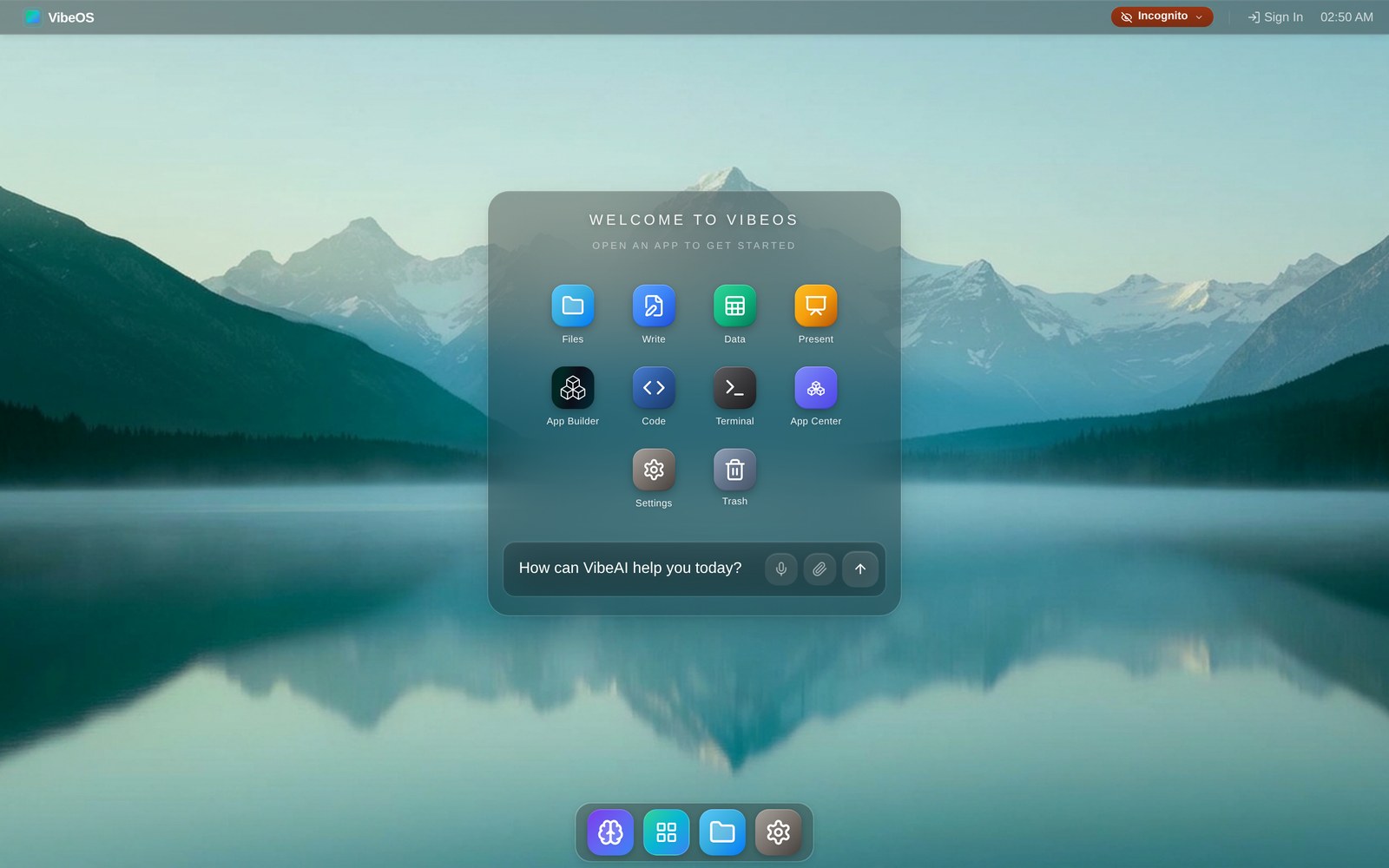
Why We Need an In-Browser OS: Moving Beyond File Downloads and Isolated Chatbots
Bringing the operating system to the web so work happens where files and models already live.
Examines three limitations of the current browser workflow: files edited through a download-edit-upload loop, AI assistants that cannot reach the files they discuss, and work environments rebuilt on each machine. Presents VibeOS as a response, a desktop runtime inside the browser where storage, applications, and AI share one workspace. Covers the filesystem layer, continuity across devices through the user’s account, permission review at install, and the SDK that enforces application boundaries.
September 2026
Article
Substack · October 9, 2026
Real-Time Generative VR via AI Orchestration Layers
How VibeVR’s Hologram Desk uses AI orchestration to turn voice requests into interactive 3D objects in WebXR, with opportunities for generating objects and environments.
Real-Time Generative VR via AI Orchestration Layers
Examines how AI orchestration connects natural-language requests to interactive 3D content. Presents Hologram Desk’s WebXR voice-to-object workflow, the application’s role in checking model output, and opportunities for generating objects and environments.
Article
Substack · September 28, 2026
Why We Need an In-Browser OS: Moving Beyond File Downloads and Isolated Chatbots
Bringing the operating system to the web so work happens where files and models already live.
Examines three limitations of the current browser workflow: files edited through a download-edit-upload loop, AI assistants that cannot reach the files they discuss, and work environments rebuilt on each machine. Presents VibeOS as a response, a desktop runtime inside the browser where storage, applications, and AI share one workspace. Covers the filesystem layer, continuity across devices through the user’s account, permission review at install, and the SDK that enforces application boundaries.